Unlocking Training Potential: How Digital Learning Platforms and Learning Dashboards Work Together
In today’s fast-paced business world, organizations need effective, measurable training solutions that drive real results. A Digital Learning Platform provides access to a wealth of resources, but without insights into progress and impact, its potential remains untapped. This is where the Learning Dashboard steps in.
By integrating a Learning Dashboard with a Digital Learning Platform, organizations can unlock training potential, enhance engagement, and achieve measurable outcomes.
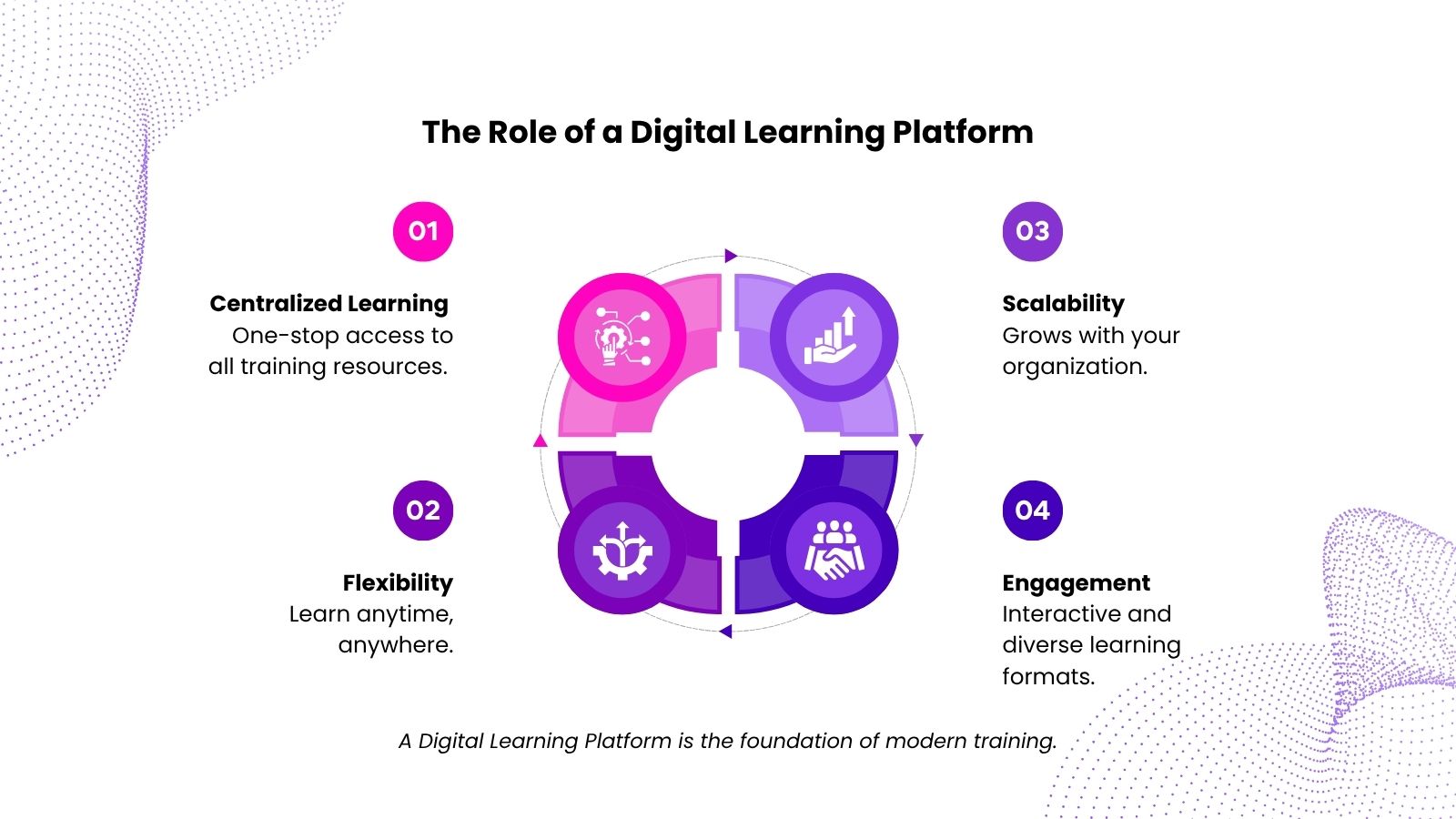
The Role of a Digital Learning Platform
A Digital Learning Platform serves as the foundation of modern training, offering:
- Centralized access to courses, videos, quizzes, and other resources.
- Flexibility for employees to learn at their own pace and convenience.
- Scalability to accommodate growing teams and evolving training needs.
However, without a way to track progress, measure engagement, and assess effectiveness, even the most advanced platform can fall short of delivering real business value.
The Power of a Learning Dashboard
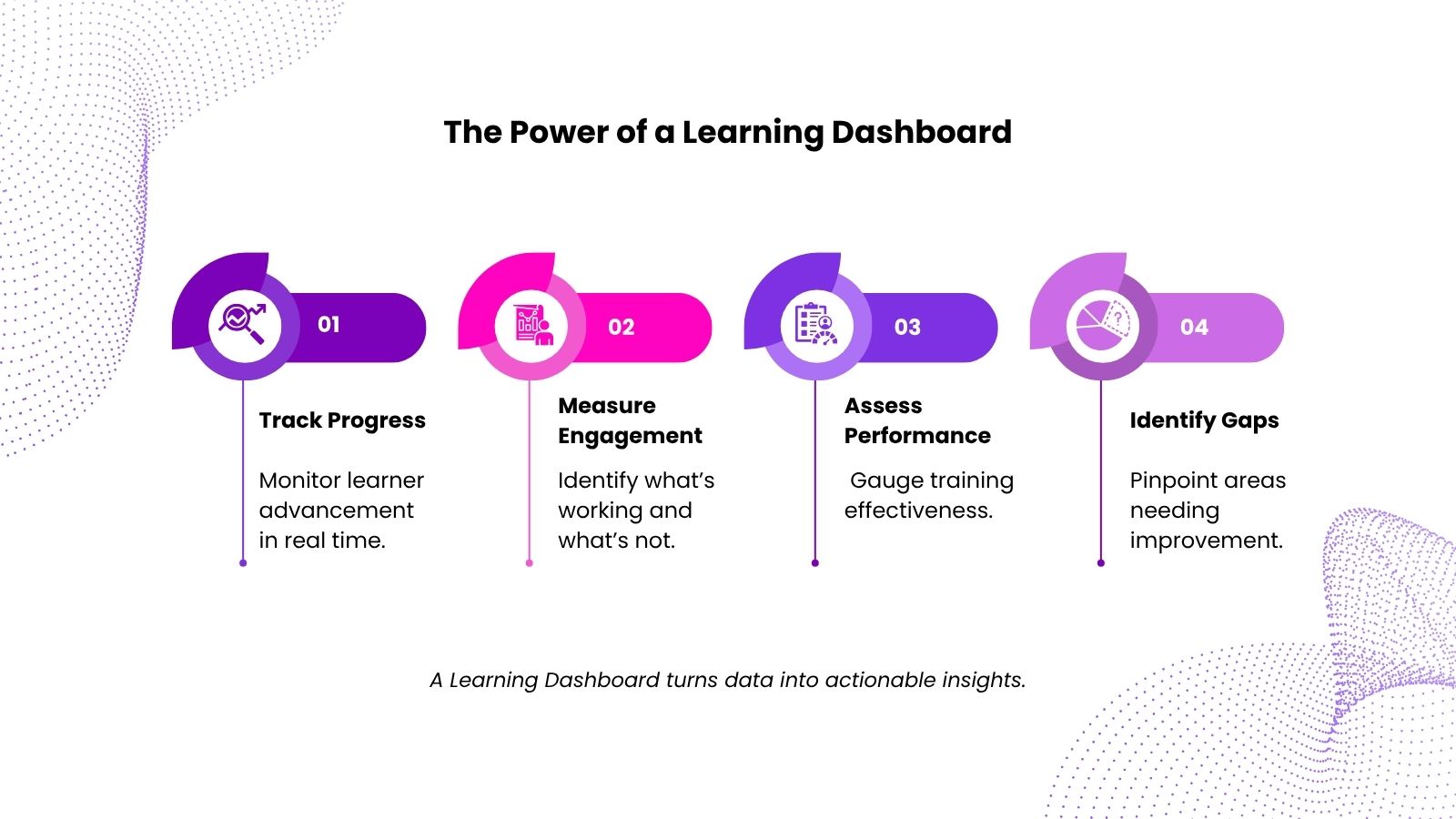
A Learning Dashboard acts as the command centre for your training initiatives, providing real-time insights into:
- Learner progress (Who is on track? Who needs additional support?)
- Engagement metrics (Which courses are most popular? Which are being overlooked?)
- Performance data (Are employees applying what they’ve learned on the job?)
- Skill gaps (Where are the knowledge deficiencies that need addressing?)
When integrated with a Digital Learning Platform, a Learning Dashboard transforms raw data into actionable insights, helping organisations optimise their training programs.
The Synergy: How They Work Together
Combining a Digital Learning Platform with a Learning Dashboard creates a powerful synergy that enhances training impact in multiple ways:
- Personalized Learning Experiences
The Digital Learning Platform delivers content, while the Learning Dashboard provides insights into individual learner needs. Together, they enable:
- Customized learning paths based on skill gaps and performance data.
- Targeted recommendations for courses or resources that address specific needs.
- Data-Driven Decision Making
With a Learning Dashboard, organizations can measure the effectiveness of their Digital Learning Platform and make informed decisions:
- Identify high-performing courses and replicate their success across other programs.
- Track ROI by correlating training completion with business outcomes, such as productivity or performance improvements.
- Improved Engagement and Accountability
A Learning Dashboard fosters transparency and accountability by:
- Displaying progress so learners can see their own advancement and stay motivated.
- Highlighting achievements to recognize and reward employee efforts.
This visibility keeps employees engaged and motivated, ensuring they get the most out of the Digital Learning Platform.
Real-World Impact
A global retail chain implemented a Digital Learning Platform with an integrated Learning Dashboard to train its workforce. Within six months, they achieved:
- A 30% increase in course completion rates due to personalized learning paths.
- A 20% improvement in employee performance metrics tied to training.
- A 15% reduction in onboarding time for new hires, thanks to targeted skill development.
Maximizing Your Training Impact
To fully leverage the power of this combination, organizations should:
✅Integrate seamlessly to ensure data flows effortlessly between the platform and dashboard.
✅ Customize dashboards to display the most relevant metrics for your goals.
✅ Train managers and learners on how to use the dashboard effectively.
✅ Act on insights to continuously improve training programs.
The Future of Training
The combination of a Digital Learning Platform and a Learning Dashboard is more than just a tool; it’s a strategic asset that can transform your training initiatives. By harnessing their synergy, organizations can:
- Deliver personalized, engaging learning experiences tailored to individual needs.
- Make data-driven decisions to optimize training and maximize impact.
- Drive measurable business results through improved performance and productivity.